
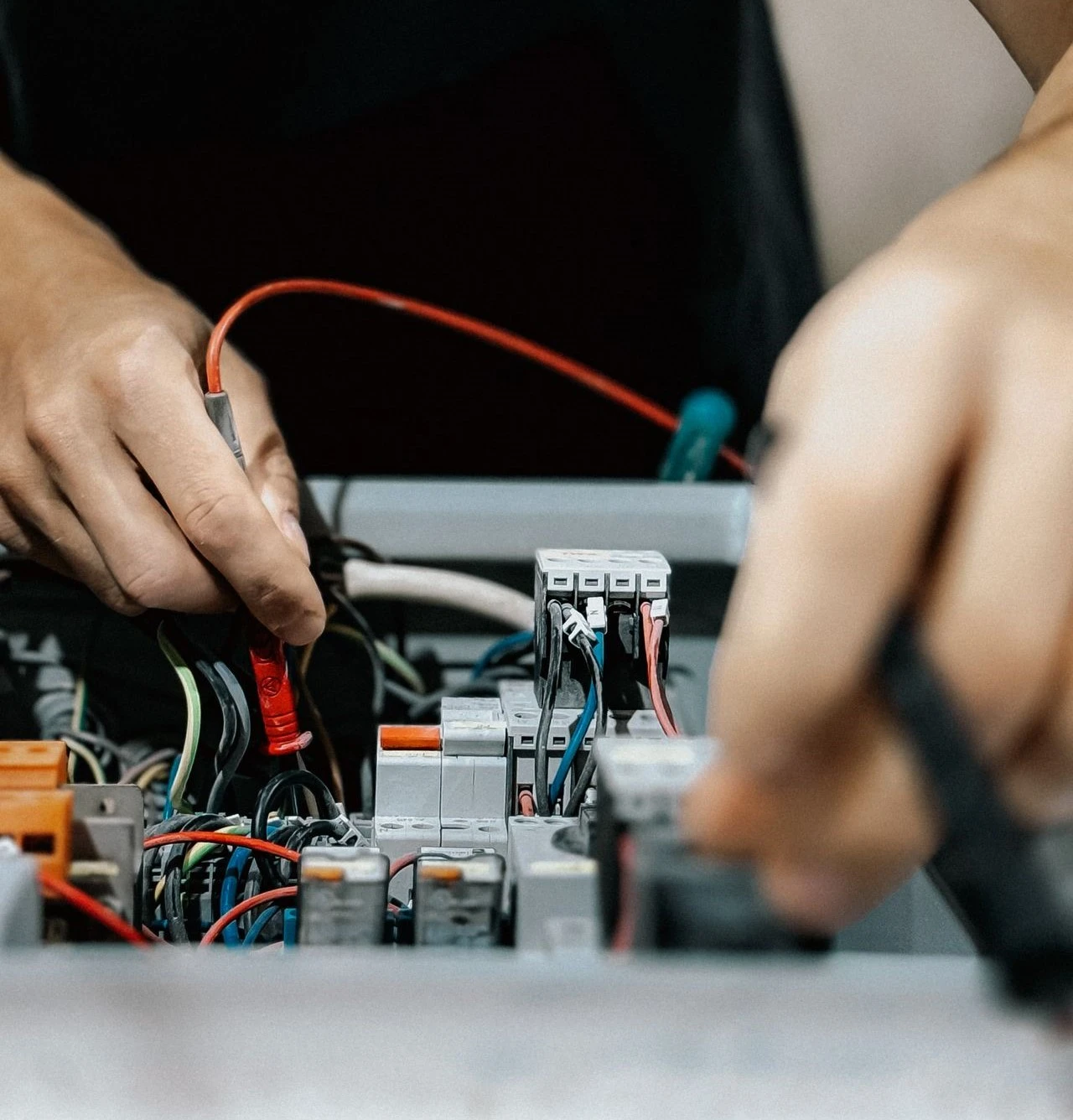
Proper Grounding and Bonding for Electrical Safety
Grounding and bonding are two of the most important but often overlooked aspects of electrical safety. They work together to protect your home from electrical shocks, fire hazards, and equipment damage. Without proper grounding and bonding, your electrical system is not complete and your home is at risk.
Grounding connects your electrical system to the earth through a grounding electrode, such as a ground rod or metal water pipe. This provides a safe path for electricity to flow to the ground in the event of a fault, preventing shocks and allowing circuit breakers to trip quickly.
Bonding connects all metal parts of your electrical system together so they are at the same electrical potential. This prevents voltage differences that could cause shocks when you touch different metal surfaces. Proper bonding is essential for metal plumbing pipes, gas lines, and the structural steel of your home.
Our licensed electricians provide professional grounding and bonding services for Round Rock homeowners. We inspect, install, and repair grounding and bonding systems to ensure your home is safe and code-compliant.
Improper Grounding Is a Serious Safety Hazard
Without proper grounding, your home is at risk of electrical shocks and fire. Fault currents may not be able to flow safely to the ground, causing circuit breakers to fail to trip and allowing electricity to energize metal surfaces. If you experience shocks from appliances or plumbing, your grounding may be inadequate. Call us for a professional inspection.
How Grounding and Bonding Work Together
Grounding and bonding are two different but complementary safety systems:
Common Grounding and Bonding Issues
Here are the most common grounding and bonding issues we find in Round Rock homes:
Missing or Inadequate Grounding
Many older homes were built without proper grounding. They may have two-prong outlets, no ground wire, or an inadequate grounding electrode. Without proper grounding, fault currents cannot safely flow to the ground, creating shock and fire hazards.
Signs: Two-prong outlets, electrical shocks from appliances, lights that flicker or dim, and circuit breakers that do not trip during faults.
Corroded or Loose Ground Connections
Ground connections can corrode over time, especially in areas with moisture or soil conditions. Loose connections can increase resistance and prevent proper grounding.
Signs: Equipment failures, sensitive electronics that malfunction, and shocks from metal surfaces.
Missing or Improper Bonding
Metal pipes, gas lines, and structural steel must be bonded to the electrical system. Missing or improper bonding can create voltage differences that cause shocks.
Signs: Shocks from plumbing fixtures, tingling when touching metal surfaces, and voltage measured between plumbing and electrical components.
Ground Rod Issues
Ground rods can corrode, break, or become disconnected. They may also be installed incorrectly, such as being driven at the wrong angle or not deep enough.
Signs: High resistance to ground, frequent equipment failures, and problems with surge protection.
Outdated Grounding Systems
Some older homes use the metal water pipe as the primary grounding electrode. With the increasing use of plastic water pipes, these systems are often no longer effective.
Signs: The grounding system is not up to current codes, water pipe ground is no longer present, or plastic water pipes have replaced metal ones.
Our Grounding and Bonding Process
When you hire us for grounding and bonding services, we follow a careful process to ensure your home is properly protected:
Inspection and Testing
We inspect your grounding and bonding system and test its resistance to ground. We identify any missing connections, corrosion, or issues that need attention.
Provide a Clear Estimate
We give you a written estimate that includes all costs for materials, labor, and permits. We explain the work involved and answer any questions you have. You know exactly what you are paying for before we start.
Handle Permits
We obtain all necessary permits for your grounding and bonding work. We coordinate with the city or county to ensure all work meets current electrical codes. You do not have to worry about compliance or paperwork.
Install or Repair Grounding System
We install or repair ground rods, ground wires, and connections. We ensure the grounding system meets code requirements and has low resistance to ground.
Complete Bonding Connections
We bond all metal components including plumbing pipes, gas lines, and structural steel. We ensure all connections are secure and meet code requirements.
Final Test and Verification
We test the completed system to ensure proper grounding and bonding. We verify low resistance to ground and proper connections. We coordinate final inspections to close out permits.
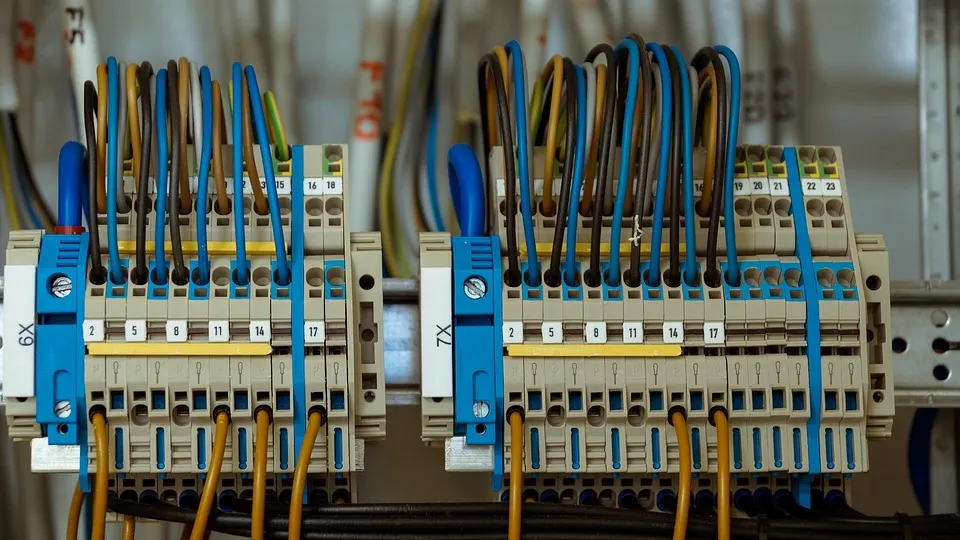
Grounding and Bonding Code Requirements
Modern electrical codes have specific requirements for grounding and bonding. Here are some key requirements:
Our electricians ensure your home meets all grounding and bonding code requirements. If your home does not meet current codes, we can make the necessary upgrades.
Grounding and Surge Protection Go Together
Proper grounding is essential for surge protection to work effectively. A whole house surge protector needs a good ground connection to divert excess voltage safely to the earth. If your grounding is inadequate, your surge protector may not protect your home effectively. We can check both your grounding and surge protection together.
Need grounding and bonding service in Round Rock? Call us for a free estimate and professional service.
Why Choose Our Electricians for Grounding and Bonding
Licensed and Insured
All our electricians are fully licensed in Texas and carry liability insurance. Grounding and bonding work involves working with your electrical system and exterior grounding connections.
Professional Testing
We use professional equipment to test grounding resistance and verify proper bonding. We ensure your grounding system meets code requirements and provides effective protection.
Code Compliance
We ensure your grounding and bonding system meets all current electrical codes. We handle permits and inspections so you do not have to worry about compliance.
Quality Materials
We use high-quality ground rods, wire, clamps, and connectors that meet code requirements. We do not cut corners on materials because your safety depends on the quality of the installation.
Local Knowledge
We know Round Rock homes and the common grounding issues in different neighborhoods. Our local knowledge helps us identify problems and recommend the right solution.
Safety Guarantee
We stand behind our work. Your grounding and bonding system is backed by our workmanship guarantee. If anything is not right, we come back and make it right at no additional cost.
Serving All Round Rock Neighborhoods
We provide grounding and bonding services throughout all Round Rock neighborhoods including Teravista, Forest Creek, Brushy Creek, Old Town Round Rock, Paloma Lake, Walsh Ranch, Cat Hollow, Sendero Springs, Stone Canyon, Behrens Ranch, University Heights, Mayfield Ranch, Downtown Historic District, Chisholm Valley, and all surrounding communities.
If your home is not properly grounded or bonded, you are at risk. Call us today for a free estimate and professional grounding and bonding service.
Frequently Asked Questions About Grounding and Bonding in Round Rock
Grounding connects your electrical system to the earth through a grounding electrode like a ground rod or water pipe. This provides a path for electricity to dissipate safely into the ground. Bonding connects all metal parts of your electrical system together so they are at the same electrical potential, preventing shocks. Both are essential for electrical safety.
Grounding provides a safe path for electricity to flow to the earth in the event of a fault. This helps prevent electrical shocks, protects your appliances from power surges, and allows circuit breakers to trip quickly during faults. Without proper grounding, your home is at increased risk of electrical shock and fire.
Bonding ensures that all metal parts of your electrical system are at the same electrical potential. This prevents voltage differences that could cause electrical shocks. Proper bonding is especially important for metal plumbing pipes, gas lines, and the structural steel of your home.
Signs include electrical shocks from appliances, outlets, or plumbing fixtures; frequent appliance failures; flickering or dimming lights; and equipment that is sensitive to static electricity. If you experience any of these, have your grounding and bonding inspected by a professional.
The cost depends on the work needed. Installing a new ground rod or repairing bonding connections is relatively affordable. We provide a free, written estimate before starting any work so you know the exact cost upfront. No hidden fees or surprises.
Yes. Grounding and bonding work typically requires permits in Round Rock and Williamson County. Our electricians handle all necessary permits and inspections for the work we perform, so you do not have to worry about compliance.
A ground rod is a metal rod driven into the earth that provides a grounding connection for your electrical system. It is typically required for homes with newer electrical systems or where the water pipe ground is not sufficient. Ground rods are required by modern electrical codes.
Testing grounding requires specialized equipment and knowledge. While you can use a simple outlet tester to check for basic grounding issues, a comprehensive test of your grounding and bonding system requires professional equipment. We recommend having a licensed electrician test your grounding system.
Grounding and Bonding Available Across Round Rock, TX
We provide grounding and bonding services to every neighborhood in Round Rock and the surrounding areas.
Ready to Schedule Your Grounding and Bonding in Round Rock?
Our licensed electricians are standing by. Call now for fast service or fill out our free quote form and we will get back to you quickly.