Electrical Shocks Are Never Normal
If you have ever been shocked by an outlet, a light switch, an appliance, or any other part of your home's electrical system, you know it is an unsettling experience. A jolt of electricity running through your body is not just uncomfortable. It is a warning sign that something is seriously wrong with your electrical system.
Many people make the mistake of dismissing a small shock as a minor issue. They think they just touched something the wrong way, or that it was static electricity, or that it was a one-time fluke. But the reality is that electrical shocks, even mild ones, indicate a fault that can cause a much more serious shock at any time. The conditions that cause a mild shock today can worsen and cause a severe or fatal shock tomorrow.
Our electricians respond to electrical shock calls in Round Rock 24 hours a day, 7 days a week. We understand that a shock hazard is an immediate safety concern, especially if you have children, elderly family members, or anyone in your home who may be more vulnerable to the effects of an electrical shock. We find the cause of the shock, fix it properly, and verify your electrical system is safe before we leave.
Seek Medical Attention After Any Electrical Shock
Even if you feel fine after an electrical shock, you should see a doctor. Electrical currents can cause internal injuries, heart rhythm disturbances, and neurological effects that are not immediately apparent. What feels like a minor shock could have caused damage that only a medical professional can identify. Your health comes first. Call an electrician after you have been medically cleared.
Common Causes of Electrical Shocks in Round Rock Homes
Electrical shocks happen when your body becomes part of an electrical circuit. This requires two conditions: electricity must be present on something you touch, and you must be grounded so the electricity can flow through you. Here are the most common causes of electrical shocks we find in Round Rock homes:
Missing or Broken Ground
The ground wire in your electrical system is a safety feature designed to provide a safe path for electricity to flow to the ground in the event of a fault. If a hot wire touches a metal appliance casing, the electricity should flow through the ground wire directly to the ground, tripping the breaker and preventing the metal from becoming energized.
If your home lacks proper grounding, or if the ground connection has been broken, that electricity has nowhere to go. When you touch the energized metal and you are grounded, you become the path instead of the ground wire. This is why older homes with two-prong outlets and no ground wire are more dangerous. A shock in an ungrounded home can be much more severe than in a properly grounded home.
Many older Round Rock homes in neighborhoods like Old Town, Chisholm Valley, and the Downtown Historic District were built with two-wire systems that lack a ground wire. These homes are inherently more prone to shock hazards because there is no safe path for fault current.
Reversed Polarity
Every standard outlet has a hot wire (black), a neutral wire (white), and a ground wire (green or bare copper). The hot wire carries the electricity, the neutral wire returns it, and the ground provides a safety path. If the hot and neutral wires are reversed at the outlet, the outlet is wired backward.
The problem with reversed polarity is that it means the hot side of the outlet is where the neutral should be. Devices plugged into the outlet may become energized even when they are turned off, because the internal switch in the device only disconnects the hot wire. If the hot and neutral are reversed, the switch does not disconnect anything and the device is always energized internally. This can cause shocks and is a common issue in older homes and DIY electrical work that was not done properly.
Damaged Appliance Wiring
Appliances can develop internal faults that energize their metal casings. The power cord can become frayed, exposing wires. The internal insulation can break down over time. A wire can work loose inside the appliance and contact the metal frame. When any of these happen, the appliance can shock you when you touch it.
This is why many appliances have a three-prong plug with a ground pin. The ground pin provides a safe path for fault current, tripping the breaker and preventing the casing from becoming energized. If you use a cheater plug or break off the ground pin, you have defeated this safety feature.
Moisture and Water Intrusion
Water is a good conductor of electricity. When moisture gets into outlets, switches, or electrical boxes, it can create paths for electricity that were not intended. This is why building codes require GFCI protection in bathrooms, kitchens, garages, basements, and outdoor areas where water and electricity are likely to meet.
If you get a shock when touching something in a wet area, water intrusion is a likely cause. This is especially common in older bathrooms and kitchens where the outlets are not GFCI protected or where water has leaked behind walls and into electrical boxes.
Faulty Light Fixtures and Switches
Light fixtures and switches can also cause shocks. A fixture that was not installed correctly, has worn-out wiring, or has been damaged can energize its metal parts. A switch that has failed internally can leak electricity to its cover plate or mounting screws. Ceiling fans are a common source of shock hazards because they have both electrical connections and moving parts that can damage wires over time.
Stray Voltage and Bonding Issues
Sometimes the shock comes not from an outlet or appliance but from plumbing fixtures, metal pipes, or even concrete floors. This is caused by stray voltage in the grounding system, often from a problem with the main electrical service ground connection or from voltage differences between the electrical ground and the plumbing system.
This is a more complex issue that requires professional diagnosis. It can affect multiple areas of the home and may indicate a problem with the utility service connection or the grounding electrode system. Our electricians have the equipment and experience to locate and fix stray voltage problems.
Types of Electrical Shocks and What They Mean
The type and severity of the shock can give clues about the nature of the fault. Here is what different shock experiences might indicate:
Experiencing electrical shocks in your home? This is a serious safety hazard. Call us now.
How We Diagnose and Fix Electrical Shock Hazards
Finding the cause of an electrical shock requires a thorough, systematic approach. Our electricians do not just look at the outlet or appliance that shocked you. We check your entire electrical system because shocks can be caused by issues that are not obvious at the point of contact.
Interview and Initial Assessment
We ask you about the shock. Where did it happen? What were you touching? Did you feel anything unusual before the shock? Was the area wet? Have there been other shocks in the home? This information gives us critical clues about where to start looking.
Test the Suspect Outlet, Switch, or Appliance
We start with the specific point where the shock occurred. We test the outlet or switch for voltage, polarity, and grounding. If an appliance caused the shock, we test it for ground faults and internal damage. Often the fault is found here.
Check the Circuit and Grounding
If the shock point tests normal, or if we find issues that suggest a larger problem, we trace the circuit back to the panel. We check for proper grounding, loose neutral connections, reversed wires at the panel, and any issues with the circuit that could be causing the shock hazard.
Inspect the Service Ground
If the problem appears to be system-wide, we inspect the main service ground connection. This includes the ground rod, the connection to the water pipe, and any bonding jumpers. A poor service ground can cause shocks throughout the home and needs to be fixed at the source.
Repair and Verify
Once we identify the cause, we make the necessary repairs. This could be as simple as tightening a ground connection or as involved as replacing a damaged section of wire or upgrading the service ground. After the repair, we test extensively to verify the shock hazard has been eliminated and the system is safe.
GFCI Protection and Electrical Shock Prevention
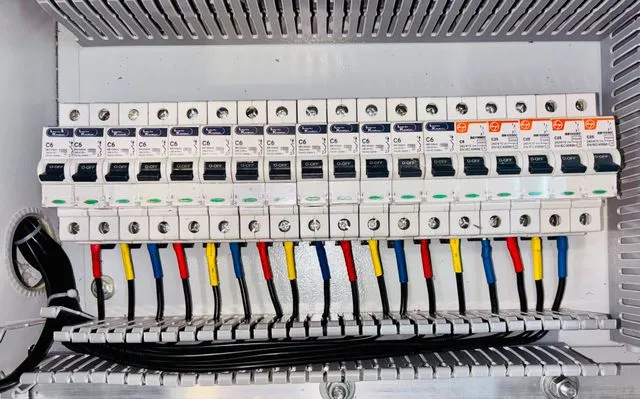
Ground Fault Circuit Interrupters are one of the most important safety innovations in residential electrical systems. A GFCI outlet monitors the electricity flowing through the hot and neutral wires. If it detects even a tiny imbalance, as little as 4-6 milliamps, it shuts off power in a fraction of a second, fast enough to prevent a fatal shock.
GFCI protection is required by electrical code in all areas where water and electricity may come into contact: bathrooms, kitchens, garages, basements, outdoor areas, and crawl spaces. If your home does not have GFCI protection in these areas, or if your GFCI outlets are old and may have failed, your home is more vulnerable to shock hazards.
If you have experienced a shock, especially in a wet area, the lack of GFCI protection is a likely factor. Our electricians can install GFCI outlets and GFCI breakers to protect your home and provide a crucial safety layer against electrical shocks.
Electrical Shocks in Older Round Rock Homes
Older Round Rock homes in neighborhoods like Old Town, Chisholm Valley, the Downtown Historic District, and Lake Forest face a higher risk of electrical shocks for several reasons:
If you live in an older home and have experienced any electrical shock, it is strongly recommended to have a comprehensive electrical safety inspection. This will identify the shock hazard, the underlying causes, and any other safety issues that may be present in your home's electrical system.
Test Your GFCI Outlets Monthly
Press the TEST button on each GFCI outlet in your home. The outlet should click and cut power. Then press RESET to restore power. If the outlet does not trip when you press TEST, it has failed and needs to be replaced. This simple test takes seconds and could save a life.
Three-Prong Adapters and Shock Hazards
Many older Round Rock homes have two-prong outlets that do not have a ground connection. Homeowners often use three-prong adapters to plug in modern appliances and electronics. These adapters typically have a small metal tab or wire that is supposed to be connected to the outlet cover plate screw, which in theory grounds the adapter through the mounting screw.
In practice, this often does not work. The outlet cover plate screw may not be grounded, the screw may be painted, or the adapter may not make a proper connection. The result is that devices that rely on the ground pin for safety are not actually grounded, and their metal casings can become energized without the breaker tripping.
If you are using three-prong adapters in your home, you are taking a risk with every device you plug in. The safe solution is to have an electrician replace the two-prong outlets with properly grounded three-prong outlets or GFCI outlets, which provide shock protection even without a ground wire.
Using three-prong adapters? They are not a safe long-term solution. Call us to install proper grounded outlets.
Grounding and Bonding: What You Need to Know
Proper grounding and bonding are essential to preventing electrical shocks. Here is what these terms mean and why they matter:
Grounding is the connection of your electrical system to the earth through a ground rod, a metal water pipe, or another grounding electrode. This provides a safe path for lightning strikes and static electricity to dissipate into the ground. It also ensures that your electrical system has a reference point for voltage.
Bonding is the connection of all metal parts of your electrical system to each other and to the ground. This includes the metal boxes, the panel chassis, the ground bus bar, and any metal plumbing or gas lines. Bonding ensures that all metal parts are at the same electrical potential, which prevents shocks from voltage differences.
If your home has poor grounding or missing bonding, you are at risk for shocks and other electrical problems. Our electricians can test your grounding and bonding connections and make any necessary repairs or upgrades to ensure your system is safe.
Why Choose Our Electricians for Shock Hazard Diagnosis
Immediate Response
Shock hazards are safety emergencies. We dispatch a licensed electrician to your Round Rock home immediately, 24 hours a day, 7 days a week. We prioritize calls where safety is at risk.
Comprehensive Testing
We use professional testing equipment to check polarity, grounding, GFCI function, and wiring integrity. We do not just fix the symptom. We identify and eliminate the root cause of the shock hazard.
Licensed and Insured
Every electrician we send is fully licensed in the state of Texas and carries complete insurance. Your safety is our responsibility, and we take it seriously with professional training and credentials.
Fair, Transparent Pricing
You get a diagnosis and a clear quote before any work starts. Emergency service for shock hazards does not mean blank check pricing. You know what you are paying before we begin.
Local Round Rock Experience
We know the common wiring practices, grounding issues, and code requirements for Round Rock homes in all eras of construction. That local knowledge means faster, more accurate diagnosis.
Safety Guarantee
When we fix a shock hazard, we test and retest to verify the problem is completely eliminated. Your safety is not something we compromise on. If you have any concerns after the repair, we come back and make it right.
Electrical Safety Inspections: Preventing Shocks Before They Happen
Many electrical shock hazards can be identified and fixed before anyone gets hurt. A professional electrical safety inspection examines your entire electrical system for conditions that could cause shocks, including missing or inadequate grounding, reversed polarity outlets, damaged wiring, outdated panels, and lack of GFCI protection in required areas.
If your home is older than 20 years, if you have recently had any shocks, or if you are planning to purchase a home in the Round Rock area, a comprehensive electrical safety inspection is a wise investment. It identifies hidden dangers and gives you peace of mind that your electrical system is safe for your family.
Our safety inspections include testing every accessible outlet, checking all GFCI and AFCI protection, inspecting the electrical panel and service connections, and verifying grounding and bonding throughout the home. We provide a detailed report of our findings and clear recommendations for any necessary repairs or upgrades.
Serving All Round Rock Neighborhoods for Electrical Shock Hazards
We respond to electrical shock hazard calls across every neighborhood in Round Rock, TX. Whether you are in a 40-year-old home in Old Town, a 20-year-old home in Forest Creek, or a brand new build in Paloma Lake, shock hazards can exist in any electrical system and need to be addressed immediately.
Neighborhoods we serve for electrical shock diagnosis and repair include Teravista, Forest Creek, Brushy Creek, Old Town Round Rock, Paloma Lake, Walsh Ranch, Cat Hollow, Sendero Springs, Stone Canyon, Behrens Ranch, University Heights, Mayfield Ranch, Downtown Historic District, Chisholm Valley, and all surrounding communities. If anyone in your home has experienced an electrical shock, call us. Your safety is our priority.
Frequently Asked Questions About Electrician for Electrical Shocks in Round Rock
An electrical shock happens when your body becomes part of an electrical circuit. This usually means the appliance, outlet, or switch has a fault that is allowing electricity to leak to the metal parts that you touch. Common causes include a missing or broken ground connection, reversed polarity where hot and neutral wires are crossed, damaged insulation on internal wires, or moisture creating a path for electricity. Any shock, no matter how mild, means there is a dangerous fault that needs professional attention.
Yes. Any electrical shock, even one that feels minor, indicates a fault in your electrical system that could cause a more severe shock at any time. The severity of a shock depends on the voltage, current, the path the electricity takes through your body, and how long the contact lasts. What feels like a small tingle today could be a fatal shock tomorrow if the condition worsens. Additionally, even minor shocks can cause heart rhythm disturbances or injuries from involuntary muscle contractions. Do not ignore any shock.
If an appliance shocks you when you touch its metal casing, the appliance has an electrical fault. The most common cause is a breakdown of the internal insulation between the live wiring and the metal frame of the appliance. Without a proper ground connection, the metal frame becomes energized and you become the path to ground when you touch it. This is a serious safety hazard. Unplug the appliance immediately and do not use it again until it has been repaired or replaced by a qualified professional.
A tingling sensation when touching plumbing fixtures is a sign of stray voltage in your home's grounding system. This can happen when a faulty appliance or wiring is leaking electricity into the ground, creating a voltage difference between the ground and the plumbing system. It can also happen if there is a problem with the electrical service ground connection to the water pipe. This is a serious situation because water pipes are conductive and anyone touching them could be shocked. Call an electrician immediately.
A ground fault occurs when electricity takes an unintended path to the ground. In a properly wired system, electricity should only flow through the hot and neutral wires. If a hot wire touches a metal appliance casing, a ground wire, or a plumbing pipe, that electricity is now flowing to the ground through that unintended path. If you touch the energized metal while also being grounded, you become that path. This is exactly why GFCI outlets are required in wet areas, they detect ground faults and shut off power in a fraction of a second, preventing shock.
Absolutely. Outlets can develop faults that create shock hazards. A loose connection inside an outlet can cause arcing that energizes the metal mounting strap or box. Reversed polarity where the hot and neutral wires are connected backwards means the outlet is wired incorrectly and devices plugged into it can become energized. Worn-out outlets with broken internal contacts can cause intermittent contact that creates sparks and shock hazards. Any outlet that feels warm, sparks, or gives a shock should be replaced and the circuit checked.
Yes. A shock from a light switch means there is a wiring fault behind the switch. This could be a loose wire touching the metal box, a switch that has failed internally and is leaking current, or a grounding issue. Turn off the breaker for that switch and do not use it until an electrician has inspected and repaired it. A shock from a switch is especially concerning because switches are touched frequently and by everyone in the household, including children.
First, if you are still in contact with the electrical source, break the contact using a non-conductive object like a wooden broom handle or dry towel. Do not touch the person with bare hands. Once the person is clear, check for signs of injury. Seek medical attention for any shock, even if it seems minor, because electrical shocks can cause internal injuries that are not immediately apparent. Burns on entry and exit points should be treated by a doctor. Contact an electrician to identify and fix the hazard that caused the shock.
Electrician for Electrical Shocks Available Across Round Rock, TX
We provide electrician for electrical shocks services to every neighborhood in Round Rock and the surrounding areas.
Ready to Schedule Your Electrician for Electrical Shocks in Round Rock?
Our licensed electricians are standing by. Call now for fast service or fill out our free quote form and we will get back to you quickly.